
Pain Management After Joint Replacement: A Medicare Patient's Complete Guide
Learn effective pain management strategies after joint replacement surgery, including Medicare-covered options, medications, therapy, and recovery techniques.
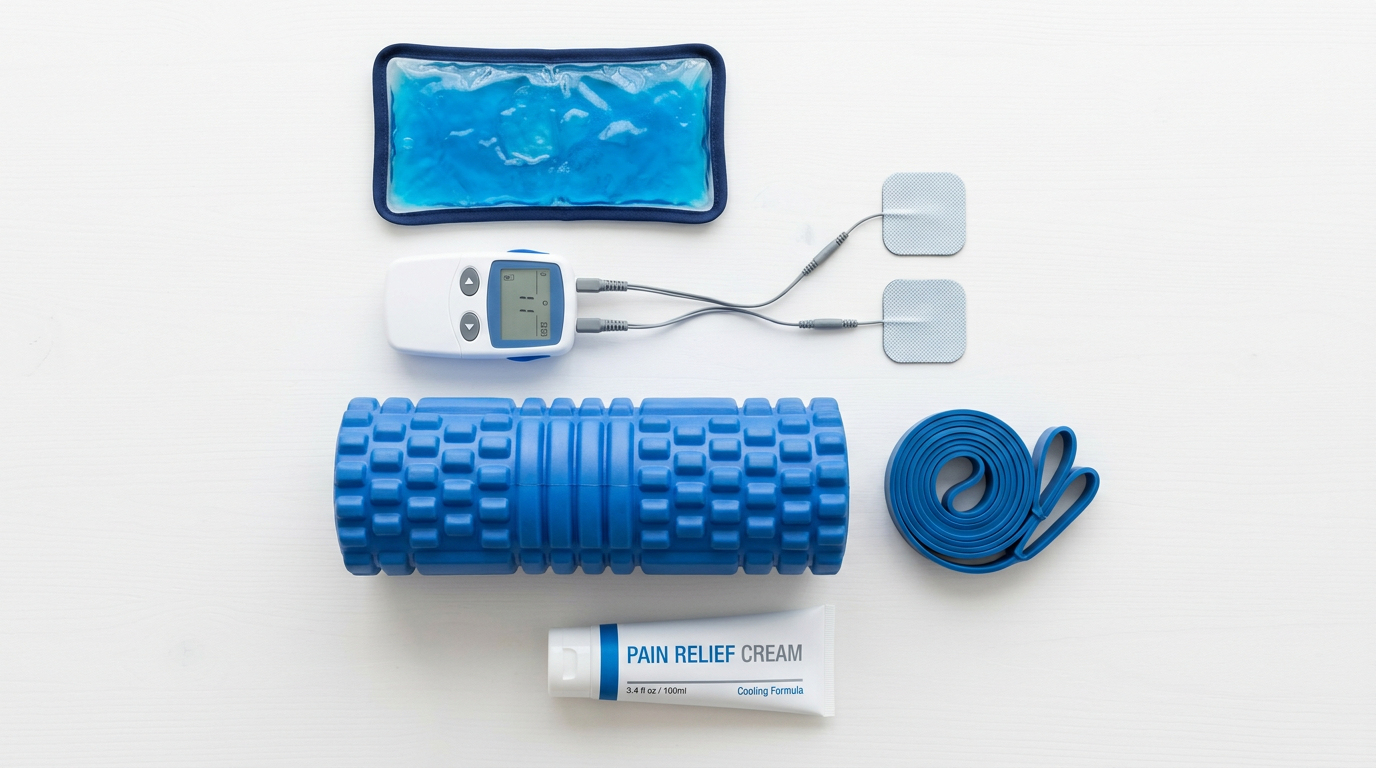
The Pain Reality No One Talks About (Until Now)
"They told me the surgery would hurt, but no one explained what 'hurt' really meant," says Carol, 68, three weeks after her knee replacement. "I wish someone had been honest about the pain—and more importantly, shown me all the ways to manage it."
Here's what surgeons don't always tell you: Yes, it will hurt. But we have more pain management options today than ever before, and Medicare covers most of them. The difference between patients who struggle and those who thrive often comes down to knowing your options and speaking up when something isn't working.
The Pain Timeline: What's Actually Normal
Your Pain Roadmap (Because Knowing Helps)
Days 1-14: The Tough Part Yes, it hurts. A lot. But here's what patients say helped them get through: "I rated my pain 7-8 the first few days," shares Michael, a hip replacement patient. "But by day 5, with the right medications and ice therapy, I was down to a 4-5. By day 10, I only needed pain meds at night."
Weeks 2-6: The Turning Point Pain becomes your physical therapy companion—it shows up during exercises but fades with rest. "I learned to distinguish between 'good pain' from stretching and 'bad pain' that meant I was pushing too hard," explains Susan after her shoulder replacement.
Weeks 6-12: The Encouragement Phase Most patients report occasional discomfort rather than true pain. "I'd forget I had surgery until I overdid it," says Robert. "Then my knee would remind me to pace myself."
Warning Signs to Report Immediately require prompt medical attention as they may indicate complications that need urgent intervention. A sudden increase in pain after initial improvement could signal problems like infection, implant loosening, or other surgical complications that require immediate evaluation. Pain accompanied by fever, chills, or drainage from the surgical site strongly suggests infection, which can be serious if not treated promptly. Severe pain that doesn't respond to prescribed medications may indicate that your current pain management plan needs adjustment or that complications have developed. Signs of infection including redness, warmth, and swelling around the surgical site should prompt immediate contact with your surgeon. Additionally, pain that prevents sleep for multiple consecutive nights may indicate inadequate pain control or developing complications that require medical attention.
Working with Your Care Team
Your Pain Management Team Typically Includes multiple healthcare professionals who work together to optimize your recovery experience. Your orthopedic surgeon provides overall care coordination and surgical follow-up, serving as the primary decision-maker for your treatment plan and monitoring your progress throughout recovery. The anesthesiologist manages immediate post-operative pain control, often implementing nerve blocks or other advanced techniques to minimize discomfort in the crucial first hours and days after surgery. Your physical therapist focuses on movement-based pain management, teaching you exercises and techniques that not only improve function but also help reduce pain through appropriate activity and strengthening. Your primary care physician handles ongoing medication management, particularly important for patients with other health conditions that may affect pain medication choices. A pain specialist may join your team for complex pain management needs, providing advanced interventions and expertise when standard approaches aren't sufficient.
Effective Communication Tips ensure that your pain management team can provide you with the best possible care tailored to your specific needs. Use a pain scale (0-10) consistently when describing your discomfort, as this gives your healthcare providers objective data to track your progress and adjust treatments. Keep a detailed pain diary noting triggers, relief methods, and patterns, which can help identify what works best for your specific situation and alert your team to any concerning changes. Be completely honest about your pain levels rather than trying to "tough it out," as understating pain can lead to inadequate treatment and slower recovery. Ask detailed questions about medication side effects and expectations for your recovery timeline, ensuring you understand what's normal and what requires attention. Always report all medications you're taking, including over-the-counter options and supplements, as these can interact with prescribed pain medications and affect your treatment plan.
Medicare-Covered Pain Management Options
Your Medicare Pain Relief Menu (With Real Costs)
What Medicare Part D Actually Covers:
David was shocked: "My oxycodone cost $12 for a week's supply, but the nerve pain medication that really helped cost $8 for a month."
The Prescription Options:
- Short-term opioids (3-7 days): $10-$50 copay
- Most patients need these briefly, despite the scary headlines
- Nerve pain medications (gabapentin): $5-$20 copay
- Often more effective than opioids for surgical pain
- Muscle relaxants: $10-$30 copay
- Game-changers for sleep during early recovery
The $20 Pharmacy Run That Helps: Medicare doesn't cover these, but patients swear by them:
- Generic acetaminophen: $6 (take regularly, not just when it hurts)
- Topical lidocaine patches: $12 (for targeted relief)
- Arnica gel: $8 (many patients report reduced bruising)
Physical Therapy and Rehabilitation
Medicare Part B Coverage:
- Up to 35 physical therapy visits per year (with potential for more if medically necessary)
- Typical copay: 20% of Medicare-approved amount
- Coverage includes:
- Initial evaluation and treatment planning
- Therapeutic exercises and stretching
- Manual therapy and joint mobilization
- Pain-relieving modalities (heat, ice, electrical stimulation)
Home Health Services:
- Covered when you're homebound and need skilled care
- Includes physical therapy visits in your home
- No copay if you meet Medicare requirements
Advanced Pain Management Techniques
Medicare-Covered Procedures:
- Cortisone injections: For persistent joint inflammation
- Nerve blocks: For complex regional pain
- TENS units: Transcutaneous electrical nerve stimulation
- Pain management consultations: When referred by your surgeon
Non-Medical Pain Management Strategies
Ice, Heat, and Movement Therapy
Ice Therapy (0-72 hours post-surgery) provides immediate relief during the acute phase of your recovery when inflammation and swelling are at their peak. Apply ice packs for 15-20 minutes every 2-3 hours during waking hours, as this reduces swelling and numbs acute pain effectively. Always place a thin towel between the ice pack and your skin to prevent frostbite or skin damage. Continue this regimen until swelling noticeably decreases, typically within the first few days to a week after surgery.
Heat Therapy (after initial swelling subsides) becomes beneficial once the acute inflammatory phase passes, typically after the first 72 hours when swelling begins to decrease. Heat promotes blood flow and muscle relaxation, which can significantly improve comfort and mobility. Use warm (not hot) compresses for 15-20 minutes at a time, ensuring the temperature is comfortable to avoid burns. Heat therapy is particularly excellent before physical therapy sessions as it helps prepare muscles and joints for movement, and it can provide ongoing relief for stiffness and chronic pain throughout your recovery.
Gentle Movement plays a crucial role in pain management by preventing stiffness and promoting circulation while avoiding overexertion. Start with simple ankle pumps and calf muscle contractions that can be performed even while resting, as these help prevent blood clots and maintain circulation. Deep breathing exercises not only support overall healing but also help manage pain through relaxation and improved oxygenation. Progress to walking as tolerated, increasing distance gradually based on your comfort level and surgeon's guidelines. Perform range of motion exercises exactly as prescribed by your physical therapist, as these maintain joint flexibility and prevent complications while supporting your overall recovery.
Alternative and Complementary Approaches
Approaches with Growing Medicare Coverage:
- Acupuncture: Limited coverage for chronic pain (Medicare covers for chronic low back pain)
- Massage therapy: Sometimes covered under physical therapy
- Chiropractic care: Medicare Part B covers manipulation of spine
Self-Pay Options That May Help:
- Mindfulness and meditation: Apps and online programs
- Yoga and tai chi: Gentle movement practices
- Support groups: Online and in-person recovery communities
- Nutritional supplements: Omega-3s, turmeric, glucosamine
Sleep and Pain Management
Getting Quality Rest During Recovery
Creating a Pain-Friendly Sleep Environment requires thoughtful preparation that addresses both comfort and healing needs during your recovery. Use multiple pillows strategically to support and elevate the surgical limb, which reduces swelling and minimizes pain by improving circulation. Maintain a cool, dark, and quiet bedroom environment that promotes deep, restorative sleep essential for healing. Many patients find that sleeping in a recliner for the first few weeks after surgery provides better positioning and easier transitions in and out of sleep than a traditional bed. If prescribed, take pain medication 30-60 minutes before bedtime to ensure maximum effectiveness when you're trying to fall asleep.
Sleep Hygiene Tips support both pain management and overall recovery by establishing healthy sleep patterns that work with your body's natural healing processes. Establish consistent bedtime and wake-up times even during recovery, as this helps regulate your body's internal clock and improves sleep quality. Avoid screens for at least one hour before bed, as the blue light can interfere with natural sleep hormones and make it harder to fall asleep despite fatigue. Practice relaxation techniques like deep breathing or gentle meditation to help your mind and body prepare for rest while managing any anxiety about pain or recovery. Keep a bedside journal to track pain patterns, sleep quality, and medication effectiveness, providing valuable information for your healthcare team.
When to Contact Your Doctor includes specific sleep-related concerns that may indicate problems with your pain management plan or recovery progress. If you're unable to sleep for more than 2-3 consecutive nights due to pain, this suggests that your current pain management strategy needs adjustment. Contact your healthcare provider if pain medication causes excessive drowsiness that interferes with daytime activities, as this may indicate the need for dosage adjustments or alternative medications. Additionally, increasing pain despite following your prescribed regimen exactly as directed requires prompt medical evaluation to rule out complications and optimize your treatment plan.
Red Flags and When to Seek Help
Emergency Situations (Call 911 or Go to ER)
- Severe, sudden onset pain with no clear cause
- Signs of blood clot: Sudden shortness of breath, chest pain, leg swelling
- Signs of serious infection: High fever (>101.5°F), chills, confusion
- Allergic reaction to medications: rash, difficulty breathing, swelling
Contact Your Surgeon Within 24 Hours
- Pain that suddenly worsens after improving
- New onset of significant swelling, redness, or warmth
- Drainage from the surgical site
- Pain that's not relieved by prescribed medications
- Inability to bear weight when previously able
Schedule Regular Follow-up for:
- Gradual increase in pain over several days
- Concerns about medication side effects
- Questions about activity restrictions
- Need for refills or medication adjustments
Long-term Pain Management Strategies
Transitioning Off Pain Medications
Typical Timeline:
- Week 1-2: Prescription opioids as needed
- Week 3-4: Transition to non-opioid options
- Month 2-3: Focus on non-medication strategies
- Month 4+: Minimal or no regular pain medication needed
Strategies for Reducing Dependence:
- Work closely with your healthcare team
- Never stop medications abruptly
- Incorporate non-medication pain management techniques
- Address any concerns about dependency openly with your doctor
Building Long-term Wellness
Lifestyle Modifications:
- Weight management: Reduces stress on joints
- Regular low-impact exercise: Swimming, walking, cycling
- Stress management: Chronic stress can worsen pain perception
- Proper nutrition: Anti-inflammatory foods may help with healing
Medicare Costs and Coverage Summary
Typical Out-of-Pocket Costs for Pain Management
Medications (Medicare Part D):
- Generic opioids: $10-$30 per prescription
- Brand name medications: $50-$200+ per prescription
- Over-the-counter options: Not covered (budget $20-$50/month)
Physical Therapy (Medicare Part B):
- 20% coinsurance after deductible is met
- Average cost per session: $30-$60 out-of-pocket
Specialist Visits:
- Pain management specialist: 20% coinsurance ($40-$80 typical)
- Follow-up with surgeon: Usually no additional cost within global period
Maximizing Your Medicare Benefits
- Choose therapists who accept Medicare assignment
- Understand your plan's formulary for medications
- Keep detailed records of all treatments and costs
- Ask about generic alternatives when available
- Consider Medicare Advantage plans that may offer additional benefits
Conclusion
Effective pain management after joint replacement surgery requires a comprehensive approach combining medical treatments, physical therapy, and self-care strategies. Medicare covers many essential pain management services, though understanding your specific benefits and costs is important for planning.
The key to successful pain management is open communication with your healthcare team, realistic expectations about the recovery timeline, and active participation in your treatment plan. Most patients find that pain decreases significantly within 6-12 weeks of surgery, with continued improvement over the following months.
Remember that some discomfort during recovery is normal and expected. However, severe or worsening pain should always be evaluated by your healthcare provider. With proper pain management, most patients can achieve excellent outcomes and return to their desired level of activity within 3-6 months of surgery.