
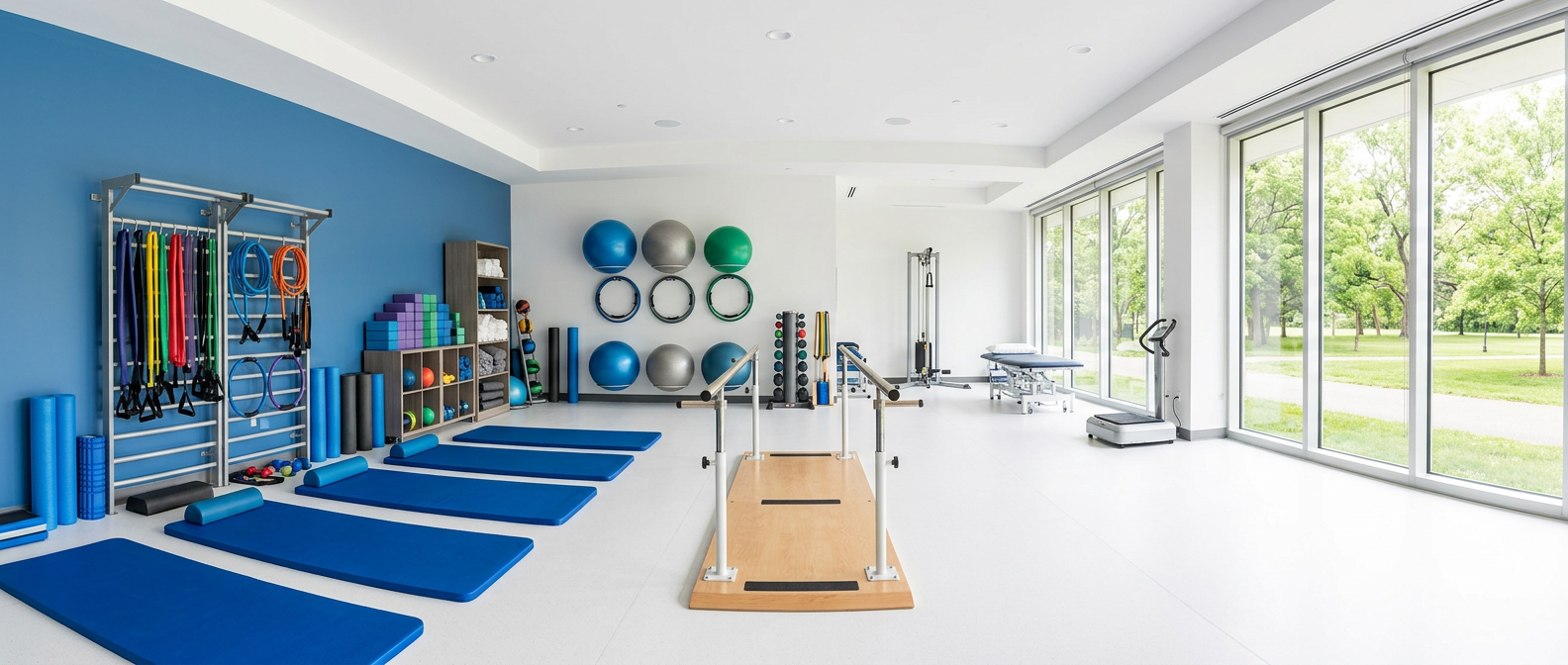
Joint Replacement Recovery Supplies
57 curated essentials for hip, knee, and shoulder replacement recovery. 4.5/5 average Amazon rating, organized by recovery week.
Recovery, Stage by Stage
Every guide below leads with practical comfort guidance for each stage of recovery, then shows the relevant supplies in context. Here is how the stages break down.

Weeks 1-2
The First Two Weeks
Rest, swelling control, and a safely set up home matter most right after surgery. Comfortable sleep positioning, cold therapy, and easy access to daily basics make the early days far smoother.

Weeks 2-6
Weeks Two to Six
Movement gradually returns, and soreness after activity becomes the main comfort challenge. Gentle heat, topical relief, and compression are common companions as walking and daily routines expand.

Week 6 and beyond
Long-Term Comfort and Strength
Once routines feel normal again, attention shifts to rebuilding strength and staying comfortable during longer activity. Light at-home exercise tools and steady nutrition support the months ahead.
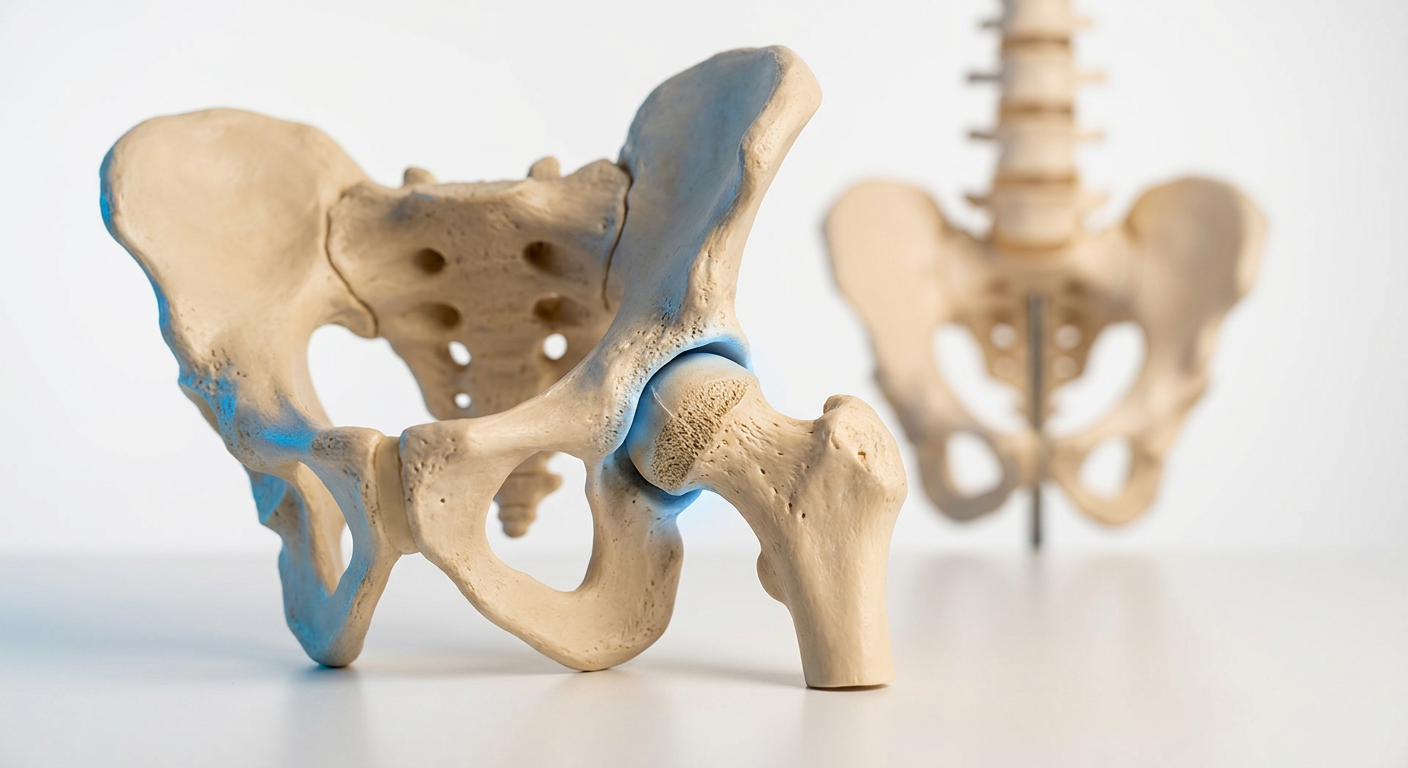
Hip Replacement
Bathroom safety, mobility aids, wound care, and DVT prevention for hip replacement recovery
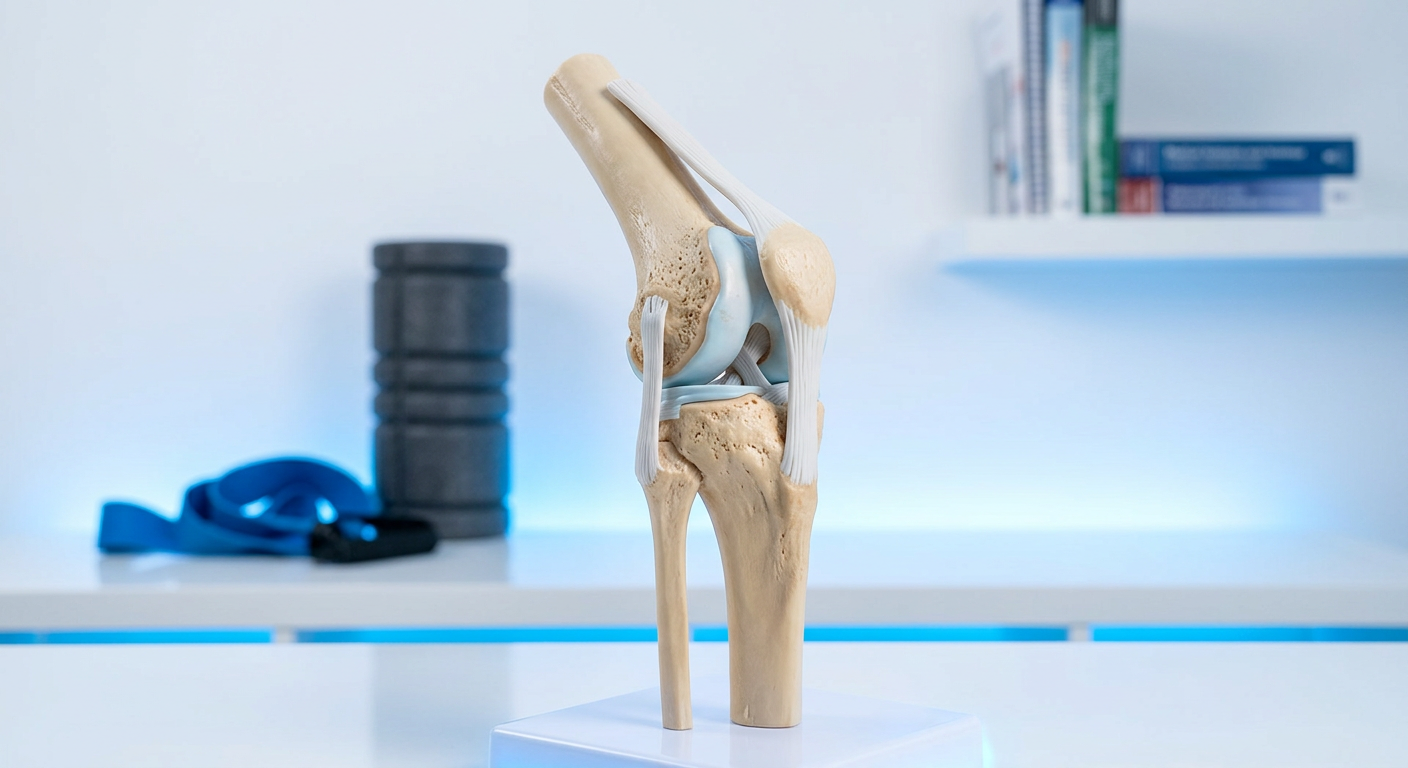
Knee Replacement
Cold therapy, leg elevation, compression, and physical therapy aids for knee replacement recovery
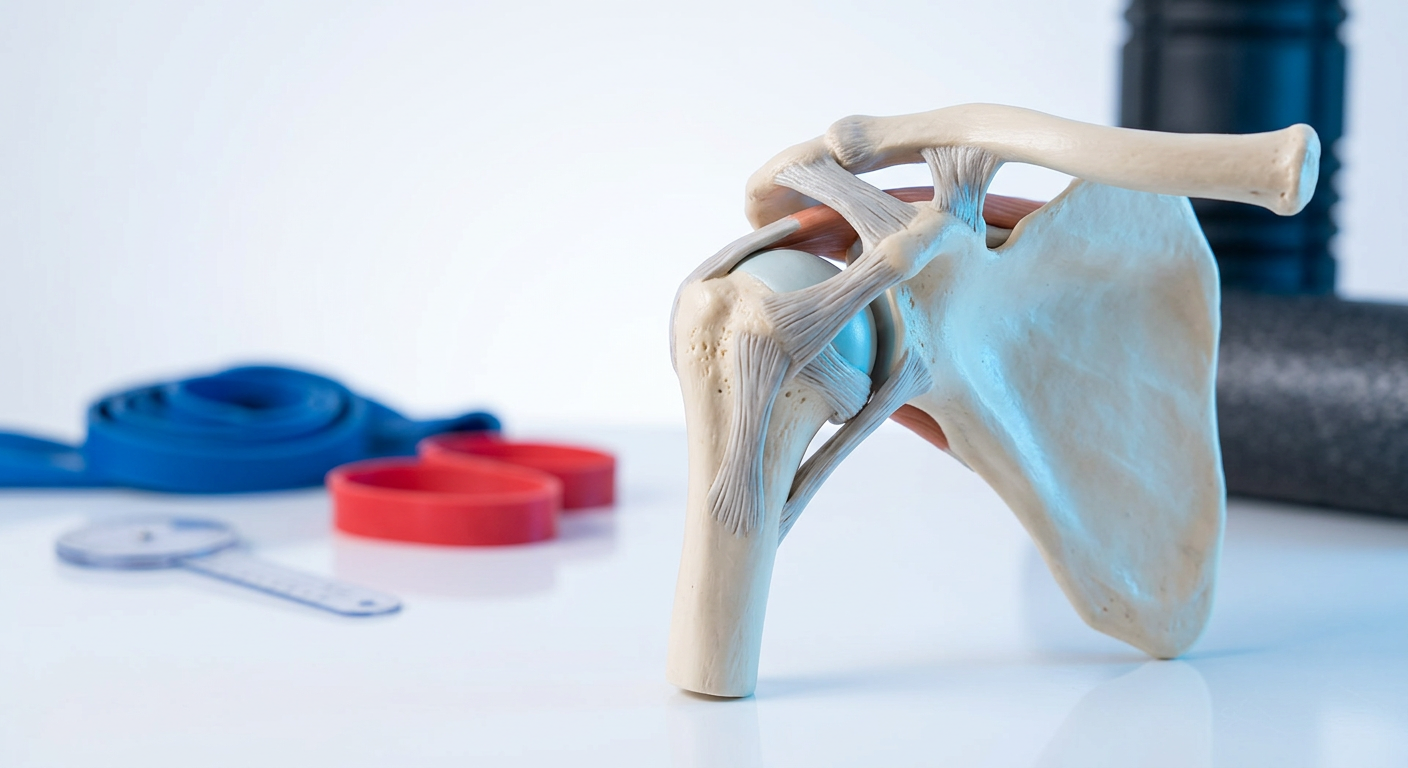
Shoulder Replacement
Sling and immobilization, sleep support, and adaptive clothing for shoulder replacement recovery
Frequently Asked Questions
Core supplies across hip, knee, and shoulder replacement include wound care dressings, a cold therapy system or ice pack wrap, anti-embolism stockings for DVT prevention, mobility aids (walker or sling depending on procedure), bathroom safety equipment, and adaptive clothing. Specific items depend on the procedure: hip and knee patients need bathroom and mobility equipment; shoulder patients need a sling and one-handed dressing aids.
Essential shoulder surgery recovery supplies include a shoulder abduction sling with pillow, a cold therapy ice machine or shoulder ice wrap, large 4x6 inch wound care dressings, snap-front or button-up shirts, a wedge pillow or recliner for sleeping, a long-handled reacher, a hand-held shower head, and a front-closure bra for women. See our shoulder replacement recovery guide for specific product recommendations.
Prepare 1-2 weeks before surgery. Clear walking paths, remove throw rugs, install bathroom grab bars and a raised toilet seat, set up a recovery station on the main floor with everything within arm's reach, and pre-cook meals or arrange meal support for the first 2-3 weeks. Have cold therapy equipment and wound care supplies set up before you return home from the hospital.
Coverage varies by plan and by item. Some supplies, such as walkers, raised toilet seats, shower chairs, and anti-embolism stockings, may be covered when prescribed. Check with your insurance provider before surgery and ask your surgeon's office which items they recommend.
Purchase and set up all equipment 1-2 weeks before surgery. This gives time to practice using items like reachers, sock aids, and walkers before your procedure, when you're more mobile. Don't wait until you're home from the hospital. Post-op pain and medication side effects make ordering and setup significantly harder.
Why These Products?
4.5/5 Average Amazon Rating
49 of 57 products are rated 4 stars or higher on Amazon by verified buyers. Ratings and review counts come directly from Amazon listings.
Check Your Coverage First
Insurance and health spending account coverage varies by plan and by item. Before buying, ask your insurance provider and your surgeon's office which supplies they recommend and what your plan covers
Highly Rated
Products selected based on verified Amazon customer ratings and how commonly they are used during post-surgical recovery