

Swimming Your Way Back to Health: The Complete Guide to Pool Recovery After Joint Replacement
Discover when it's safe to swim after joint replacement surgery, the best pool exercises for recovery, and essential safety guidelines. From water walking to advanced aquatic therapy, here's everything patients need to know about using water therapy to accelerate healing.
Swimming Your Way Back to Health: Pool Recovery After Joint Replacement
After joint replacement surgery, returning to normal activities can feel overwhelming. Your body is healing, movement might be uncomfortable, and you're eager to regain the strength and mobility you once had. This is where water therapy becomes invaluable. Pool-based recovery offers a unique combination of support, gentle resistance, and pain relief that can accelerate your healing journey.
Why Water Works Wonders for Recovery
When you step into chest-deep water, something remarkable happens. The buoyancy immediately reduces the weight bearing on your joints by up to 90%. This means your healing hip, knee, or shoulder experiences significantly less stress while you move and exercise. The water essentially becomes a supportive partner in your recovery, allowing you to move more freely and with less discomfort than you might experience on land.
Water pressure provides natural compression around your entire body, which helps reduce swelling and improve circulation to healing tissues. This hydrostatic pressure acts like a gentle, full-body compression garment that many patients find more comfortable than traditional wraps or sleeves.
The resistance water provides is another key benefit. Unlike weights or machines that work in single planes of movement, water provides resistance in all directions. This means every movement you make in the pool is gently strengthening multiple muscle groups simultaneously, helping rebuild the support system around your new joint.
Understanding the Recovery Timeline
The first two weeks after surgery are crucial for initial wound healing. During this period, your incision site is still vulnerable to infection, and water exposure is not recommended. Your body is working hard to seal the surgical site and begin the healing process. This waiting period, while frustrating, is essential for long-term success.
Around weeks three to six, many patients receive clearance to begin shallow water activities. Your surgeon will examine your incision to ensure it has healed properly with no signs of drainage or opening. This is when you might take your first careful steps into shallow water, often starting with simple walking exercises while holding onto the pool wall.
Most patients find that by six to eight weeks post-surgery, they can begin more comprehensive aquatic therapy programs. This timeline varies based on your individual healing progress, the type of surgery you had, and your overall health. Some patients are cleared earlier, while others need additional time. Your surgeon's assessment always takes precedence over general timelines.
Choosing the Right Pool Environment
The type of pool you use for recovery can significantly impact your experience and safety. Home pools offer convenience and privacy, allowing you to exercise on your own schedule without worrying about crowds or wait times. If you choose to use a private pool, ensure the water chemistry is properly balanced with chlorine levels between 1.0 and 3.0 parts per million and pH levels between 7.2 and 7.8. Install grab bars around the pool edge and consider non-slip mats on the deck. Having someone present during your early pool sessions is also recommended for safety.
Public pools and recreation centers provide professional oversight with trained lifeguards on duty. These facilities typically maintain proper sanitation and may have accessibility features like pool lifts or ramps. However, public pools may expose you to higher levels of bacteria and offer less control over water temperature and crowd levels.
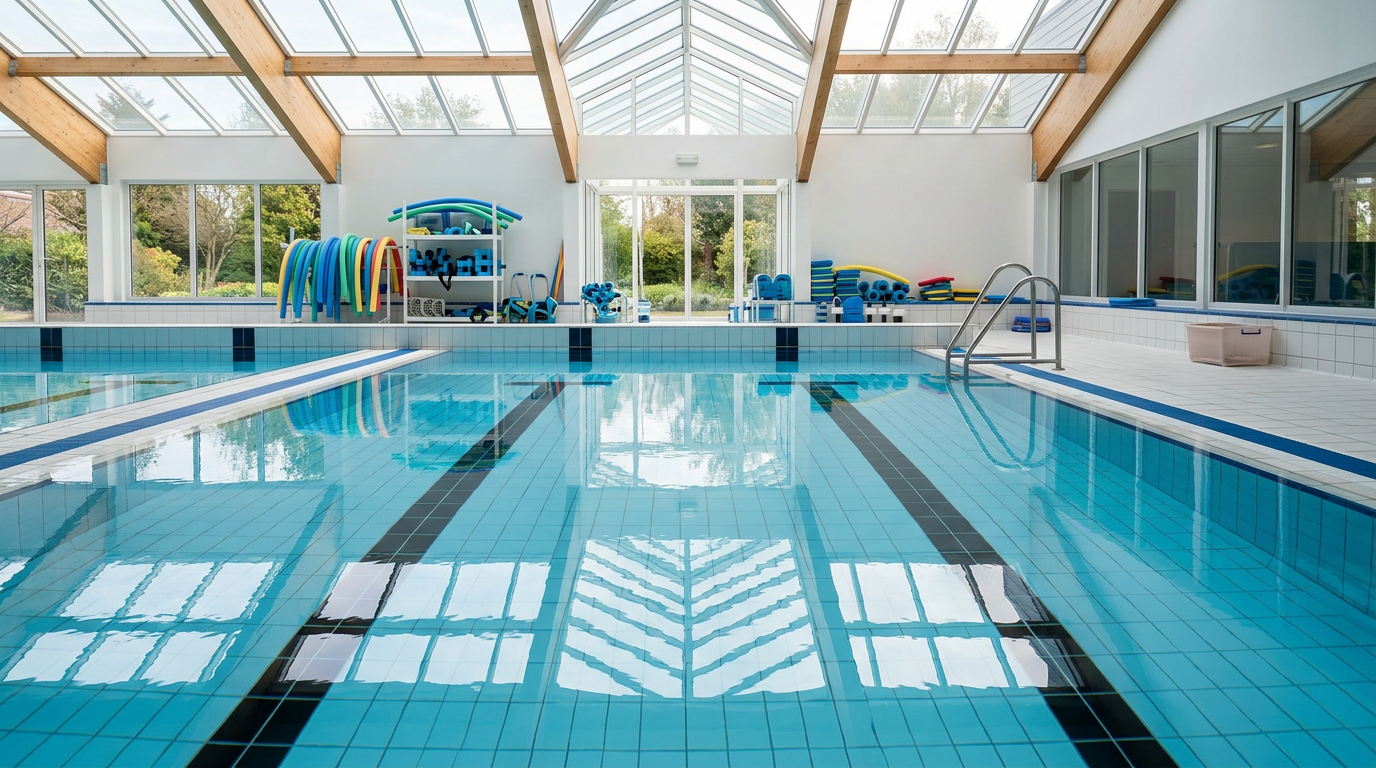
Hospital and clinic therapy pools represent the gold standard for post-surgical aquatic recovery. These facilities maintain optimal water temperatures between 83 and 88 degrees Fahrenheit, which is ideal for therapeutic exercise. They provide professional supervision from certified aquatic therapists and feature specialized entry systems designed for patients with mobility limitations.
Building Your Pool Exercise Program
Your aquatic recovery should progress gradually through distinct phases. The initial water introduction phase typically begins around weeks three to six post-surgery. Start with simple forward and backward walking in chest-deep water for five to ten minutes. Practice side-stepping along the pool wall and gentle leg swings in all directions. These foundational movements help you regain confidence in the water while providing gentle range-of-motion exercise. Aim for two to three sessions per week during this phase.
The strengthening phase usually begins around weeks six to ten. Water resistance exercises become the focus, including leg lifts in all directions with 10 to 15 repetitions each. Arm circles and push-pull movements help maintain upper body strength. Gentle squats using the pool wall for support begin rebuilding lower body strength. Sessions during this phase typically last 15 to 20 minutes.
Advanced recovery activities can begin around week ten and beyond, depending on your progress. This phase might include swimming laps as comfort allows, water jogging in the deeper end of the pool, and resistance band exercises performed underwater. The goal during this phase is 30 to 45 minutes of varied aquatic activity that challenges multiple muscle groups while remaining comfortable and pain-free.
Safety Guidelines and Infection Prevention
Water safety becomes paramount when you have healing surgical sites. Never enter the pool if you have any open wounds or drainage from your incision. Always shower thoroughly before and after each pool session to reduce bacteria exposure. After swimming, dry completely and carefully inspect your incision site for any signs of irritation or infection.
Hot tubs and spas should be avoided for at least eight to twelve weeks after surgery due to higher bacteria concentrations and elevated temperatures that can increase infection risk. The warmer water in hot tubs can also promote excessive swelling in some patients.
Monitor your body's response to pool activities carefully. Stop immediately and contact your surgeon if you experience increased pain or swelling after pool sessions, any signs of infection such as redness, warmth, or drainage around the incision site, unusual shortness of breath in water, dizziness or balance issues in the pool environment, or any concerns about your incision site integrity.
Essential Equipment for Safe Pool Access
Several pieces of equipment can make pool therapy safer and more effective. Pool lifts or accessible entry systems help patients with limited mobility enter and exit the water safely. Non-slip mats around the pool deck reduce fall risk on wet surfaces. Grab bars along pool edges provide stability during exercises and transitions.
Flotation belts allow you to exercise in deeper water without fear of sinking, while pool noodles provide additional support during various exercises. Water shoes improve traction on pool surfaces and protect your feet. Waterproof fitness trackers can help monitor your activity levels and progress over time.
For patients with significant mobility challenges, aquatic wheelchairs designed specifically for pool use can provide independence and safety when entering the water.
Finding Professional Guidance
While many patients can safely begin basic pool walking on their own once cleared by their surgeon, working with a certified aquatic therapist can significantly enhance your recovery. Look for facilities staffed by therapists certified through the Aquatic Therapy and Rehab Institute or those holding Aquatic Physical Therapy certification from the American Physical Therapy Association.
When evaluating potential providers, ask about their therapist certification levels, typical water temperatures maintained at the facility, accommodations available for patients with mobility limitations, and safety protocols in place for post-surgical patients.
Maximizing Your Recovery Success
Consistency is key to successful pool-based recovery. Regular sessions, even if brief, tend to produce better results than sporadic longer workouts. Listen to your body and progress gradually. Some days you may feel ready to push harder, while others may require a gentler approach.
Keep a simple log of your activities and how you feel afterward. This information can be valuable for your healthcare team and helps you identify patterns in your recovery. Celebrate small victories along the way. Each week of progress builds toward your ultimate goal of returning to full activity.
Pool therapy represents one of the most effective and enjoyable approaches to joint replacement recovery. The combination of pain relief, gentle strengthening, and improved mobility that water provides can help accelerate your return to the activities you love. With proper timing, safety precautions, and gradual progression, aquatic therapy can become a cornerstone of your successful recovery journey.
Remember that every recovery is unique. What works for one patient may need modification for another. Always follow your surgeon's specific guidelines and recommendations, as they understand your individual situation best. The pool is there when you're ready, offering a supportive environment where healing and strength-building can happen together.
Medical Disclaimer: This information is for educational purposes only and does not replace professional medical advice. Always consult your surgeon and physical therapist before beginning any aquatic therapy program.
Sources:
- Aquatic Physical Therapy Section, American Physical Therapy Association
- Journal of Aquatic Physical Therapy, Vol. 29, 2024
- Pool & Hot Tub Alliance Safety Standards 2025
- International Association of Aquatic Therapy Clinical Guidelines