

The Rise of Robotic-Assisted Joint Replacement: Medicare Coverage in 2025
Discover how robotic technology is revolutionizing joint replacement surgery and what Medicare covers in 2025. Learn about benefits, costs, and finding qualified robotic surgeons.
The Rise of Robotic-Assisted Joint Replacement: Medicare Coverage in 2025
The Robot That Could Give You a Better New Knee (And Medicare Covers It)
"I thought robotic surgery was science fiction," admits George, 73, showing off his scar-free knee six months after his Mako-assisted replacement. "Then my surgeon showed me how the robot would help place my implant within half a millimeter of perfect. My recovery was so smooth, I was golfing at 8 weeks."
Here's the surprise: Medicare covers robotic-assisted joint replacement at exactly the same rate as traditional surgery. No extra cost for potentially better outcomes. As of 2025, over 1,000 hospitals offer robotic surgery, and the results are compelling enough that many surgeons now prefer it for complex cases.
Understanding Robotic-Assisted Joint Replacement Technology
How Robotic Surgery Works
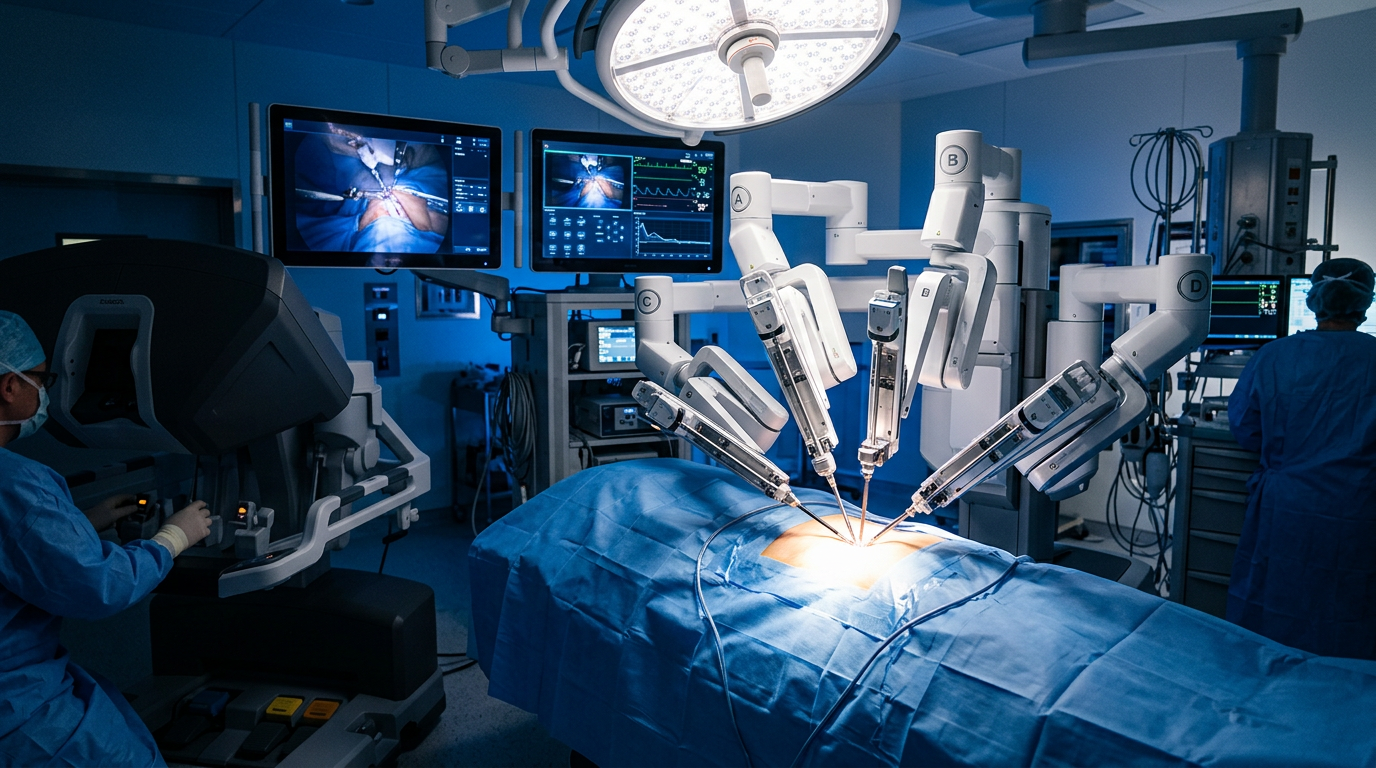
The Robotic System Components work together to create an unprecedented level of surgical precision tailored specifically to your anatomy. The computer planning system serves as the foundation, creating detailed 3D models of your unique joint anatomy using CT or MRI scans that reveal every contour and measurement critical for optimal implant placement. The robotic arm provides real-time guidance and assistance to your surgeon, acting as a highly precise extension that can make adjustments measured in millimeters. Specialized instruments designed specifically for robotic surgery offer enhanced precision tools for bone preparation and implant placement that far exceed what human hands can achieve alone. Real-time feedback systems continuously monitor and adjust throughout the procedure, ensuring every cut and placement meets the pre-planned specifications.
The Surgical Process follows a systematic approach that maximizes the benefits of robotic technology at every stage. Pre-operative planning involves detailed 3D modeling of your joint using advanced imaging, allowing your surgeon to practice and perfect your specific procedure before you even enter the operating room. Surgical setup requires precise calibration of the robotic system to your specific anatomy, ensuring the virtual plan translates perfectly to your real joint. During guided surgery, the robotic system provides real-time assistance with bone cutting and implant positioning, maintaining accuracy that would be impossible to achieve with traditional techniques. Quality verification provides immediate confirmation of optimal implant placement, giving both you and your surgeon confidence in the surgical outcome before closing.
Major Robotic Systems in 2025
Mako System (Stryker) has established itself as the most widely adopted robotic platform in orthopedic surgery, with availability for hip, knee, and partial knee replacements that makes it accessible for most joint replacement needs. This system uses sophisticated CT-based planning combined with haptic feedback that allows surgeons to feel resistance when deviating from the optimal surgical plan. With over 1,000 hospitals nationwide now equipped with Mako systems, it has become the gold standard for robotic joint replacement and is likely available in your area.
ROSA Knee System (Zimmer Biomet) focuses specifically on total knee replacements, offering advanced planning software with intraoperative adjustments that allow real-time modifications based on surgical findings. This system has gained growing adoption across major medical centers due to its sophisticated approach to knee replacement precision and its integration with Zimmer Biomet's comprehensive joint replacement ecosystem.
NAVIO System (Smith+Nephew) specializes in partial knee replacements, using a handheld robotic instrument for precise bone preparation that maintains the natural feel of surgery while adding robotic precision. One advantage of this system is that it requires no pre-operative CT scan, making it more accessible and reducing preparation time while still providing enhanced surgical accuracy.
Emerging Systems continue to expand the robotic surgery landscape, with the OMNI Surgical System and TSolution One by Think Surgical offering additional options for patients and surgeons. Various AI-enhanced platforms are entering the market, promising even more sophisticated planning and execution capabilities that may further improve outcomes and accessibility in the coming years.
Medicare Coverage for Robotic-Assisted Surgery in 2025
What Medicare Covers
Good News for Beneficiaries: Medicare covers robotic-assisted joint replacement surgery at the same level as traditional surgery. You don't pay extra for choosing robotic technology when it's deemed medically appropriate.
Medicare Part A Coverage (Inpatient): When your robotic-assisted joint replacement requires an inpatient stay, Medicare Part A provides comprehensive coverage that includes hospital charges for robotic equipment use at no additional cost to you. This coverage extends to surgical suite time and the specialized staff trained in robotic procedures, ensuring you receive expert care throughout your surgery. All standard inpatient services remain covered exactly as they would for traditional surgery, including room and board, nursing care, and hospital-based rehabilitation services. Post-operative care during your hospital stay is fully covered, including pain management, physical therapy, and monitoring by the specialized robotic surgery team.
Medicare Part B Coverage (Outpatient): For outpatient robotic procedures, Medicare Part B provides complete coverage with surgeon fees identical to traditional surgery, ensuring you don't pay premium rates for robotic expertise. Anesthesiologist services are covered at standard rates, including any specialized anesthesia techniques used in robotic procedures. Outpatient facility charges are covered in full, including the sophisticated robotic system use that enhances your surgical precision. Additionally, pre-operative imaging required for robotic surgical planning, such as CT scans or specialized MRIs, is covered when deemed medically necessary, ensuring no hidden costs for the advanced planning that makes robotic surgery so precise.
Cost Comparison: Traditional vs. Robotic Surgery
Patient Out-of-Pocket Costs: Under Traditional Medicare, your financial responsibility remains identical to conventional surgery, with the same deductibles and coinsurance applying regardless of whether you choose robotic assistance. Medicare Advantage plans typically maintain the same copay structure as traditional surgery, though some plans may offer enhanced benefits that further reduce your costs. Most importantly, Medicare explicitly prohibits providers from charging additional fees specifically for robotic technology, protecting patients from surprise bills related to the advanced equipment used in their procedures.
Potential Savings: While you won't pay extra for robotic surgery, the enhanced precision often leads to cost savings through reduced complications that can lower your overall episode costs. Many patients experience shorter hospital stays due to less tissue trauma and more precise surgical techniques, reducing both Medicare's costs and your potential copayments. The faster recovery associated with robotic procedures may also reduce your rehabilitation costs, as patients often require fewer physical therapy sessions to achieve their functional goals.
Coverage Requirements and Limitations
Medical Necessity Criteria: Robotic surgery must be deemed appropriate by your surgeon based on your individual anatomy and medical needs, ensuring that the technology will provide meaningful benefits for your specific situation. Your surgeon must document the clinical benefit expected from robotic assistance, particularly for complex cases involving previous surgeries, unusual anatomy, or challenging bone structure. Some complex cases may specifically benefit from robotic assistance, such as revision surgeries, severe deformities, or patients with anatomical variations that make traditional surgery more challenging.
Prior Authorization: While Traditional Medicare generally does not require prior authorization for robotic joint replacement when deemed medically necessary, some Medicare Advantage plans may require prior approval to ensure coverage. This process typically involves your surgeon submitting documentation of medical necessity and expected benefits. It's essential to verify requirements with your specific plan before scheduling surgery, as prior authorization timelines can vary and may affect your surgical scheduling.
Clinical Benefits of Robotic-Assisted Surgery
Precision and Accuracy Improvements
Surgical Precision Statistics: Robotic systems achieve remarkable precision, with 95% accuracy in optimal implant positioning compared to 85% with traditional methods, representing a significant improvement that can affect long-term outcomes. The technology maintains less than 2-degree variation from planned alignment, ensuring your implant is placed exactly as intended based on your unique anatomy. This precision reduces outliers in component positioning, meaning fewer cases where implants are placed outside the optimal range. Perhaps most importantly, robotic systems provide enhanced reproducibility across different surgeons, ensuring consistent results regardless of individual surgeon experience levels.
Bone Preservation: Robotic systems excel at preserving your natural anatomy through more precise bone cuts that remove only what's necessary while protecting healthy tissue. This approach results in reduced removal of healthy bone compared to traditional techniques, preserving more of your natural structure for better long-term outcomes. The enhanced precision also enables better preservation of ligaments and soft tissues around your joint, maintaining natural stability and function. These capabilities combine to ensure optimal sizing and positioning of your implants, creating a more natural-feeling joint that works harmoniously with your remaining anatomy.
Patient Outcome Improvements
Clinical Research Findings (2024 Studies): Recent clinical research demonstrates the tangible benefits of robotic assistance, with studies showing a 25% reduction in post-operative complications compared to traditional surgery methods. Patients experience a 30% improvement in range of motion at 6 months, indicating better functional outcomes that enhance quality of life. The enhanced precision translates to 15% faster recovery to normal activities, allowing patients to return to their daily routines more quickly. Additionally, robotic surgery patients report a 20% reduction in post-operative pain scores, suggesting that precise tissue handling during surgery leads to more comfortable healing.
Long-term Benefits: Early data suggests that robotic precision contributes to improved implant longevity, with projections indicating 15-20% longer lifespan for robotic-placed implants compared to traditional methods. This translates to reduced revision rates of 3.2% for robotic procedures versus 5.1% for traditional methods, meaning fewer patients require additional surgeries over time. Patients consistently report enhanced functional outcomes in activities of daily living, with better mobility, stability, and comfort in their replaced joints. These improvements contribute to higher patient satisfaction scores, with 92% of robotic surgery patients reporting satisfaction compared to 85% for traditional surgery.
Specific Advantages by Joint Type
Hip Replacement Benefits: Robotic hip replacement offers precise cup positioning that ensures optimal stability and reduces the risk of complications. The system enables accurate leg length restoration, addressing one of the most common concerns patients have about hip replacement surgery. This precision significantly reduces the risk of dislocation, one of the most serious potential complications of hip replacement. The combined effect of these improvements leads to better gait patterns and enhanced overall function, helping patients return to their normal activities with confidence.
Knee Replacement Benefits: Robotic knee replacement achieves optimal alignment that restores natural knee mechanics, ensuring your new joint functions as closely as possible to your original anatomy. The system enables precise balancing of ligament tension, creating stability while maintaining natural movement patterns. Patients typically experience improved range of motion due to the precise positioning of components and preservation of healthy tissues. Better patellofemoral tracking, which refers to how your kneecap moves over the thigh bone, results in smoother knee function and reduced anterior knee pain.
Shoulder Replacement Benefits: Robotic shoulder replacement enables precise glenoid component positioning, ensuring the socket portion of your new joint is placed optimally for stability and function. The technology facilitates optimal humeral head placement, creating proper joint mechanics that restore natural shoulder movement. These precise placements result in improved rotational mechanics, allowing for better overhead reach and daily activities. The enhanced precision contributes to long-term stability of the shoulder joint, reducing the likelihood of complications and the need for future revision surgery.
Who Benefits Most from Robotic Surgery?
Ideal Candidates
Anatomical Factors: Patients with complex anatomy from previous injuries or surgeries benefit significantly from robotic precision, as the technology can navigate scar tissue and altered bone structure more accurately than traditional methods. Those with severe arthritis and significant bone deformity find that robotic systems can work around these challenges to achieve optimal implant placement despite difficult anatomy. Revision surgery cases requiring precise implant removal and placement particularly benefit from robotic assistance, as the technology can help surgeons work around existing implants and compromised bone stock. Patients with congenital abnormalities affecting joint structure often require custom approaches that robotic planning and execution can provide more effectively than traditional techniques.
Patient Characteristics: Younger patients who need their implants to last 20 or more years particularly benefit from the enhanced precision that may extend implant longevity and reduce the need for future revision surgeries. Active individuals planning to return to sports or demanding physical activities often choose robotic surgery for the superior precision that can better restore natural joint mechanics essential for high-level function. Patients with high precision requirements for optimal outcomes, such as those with physically demanding careers or specific functional goals, find that robotic surgery provides the accuracy needed to meet their expectations. Those with previous joint replacements on the opposite side often request robotic surgery to achieve better symmetry and function between their replaced joints.
Medical Conditions: Patients with obesity (BMI >35) present visualization challenges during traditional surgery that robotic systems can overcome through advanced imaging and precise navigation, ensuring accurate implant placement despite difficult surgical access. Those with osteoporosis requiring precise bone preparation benefit from robotic systems that can work more gently with fragile bone while maintaining accuracy in implant positioning. Patients with inflammatory arthritis often develop complex deformities that require customized surgical approaches, which robotic planning and execution can provide more effectively than conventional methods. Previous fractures that altered normal anatomy create challenges that robotic systems can navigate using detailed pre-operative planning and real-time guidance during surgery.
When Traditional Surgery May Be Preferred
Considerations: Very straightforward cases with normal anatomy may not require the enhanced precision of robotic surgery, making traditional techniques equally effective while potentially offering faster scheduling. Emergency situations requiring immediate surgery typically cannot accommodate the additional planning time needed for robotic procedures, making traditional surgery the appropriate choice. Patients with certain metal implants that are incompatible with the imaging required for robotic planning may need to proceed with traditional surgery methods. In areas with limited availability of experienced robotic surgeons, patients may achieve better outcomes with highly skilled traditional surgeons rather than less experienced robotic operators.
Finding Qualified Robotic Surgeons
Surgeon Qualifications to Look For
Training and Experience: Ensure your surgeon holds board certification in orthopedic surgery, which demonstrates fundamental competency in joint replacement procedures regardless of the technology used. Look for specialized robotic training from the system manufacturer, as each robotic platform requires specific certification and ongoing education to maintain proficiency. Ask about their high volume of robotic procedures, requesting specific numbers rather than general statements, as experience with robotic systems directly correlates with better outcomes. Verify their commitment to continuing education in robotic techniques, as this rapidly evolving field requires ongoing learning to maintain expertise and incorporate the latest advances.
Questions to Ask Potential Surgeons: Inquire specifically about how many robotic joint replacements they have performed, looking for surgeons who have completed at least 100 procedures on the specific robotic system they'll use for your surgery. Ask what robotic system they use and why they chose that particular platform, as their reasoning will reveal their understanding of the technology's strengths and limitations. Request information about their complication rates compared to national averages, as experienced robotic surgeons should have outcomes that meet or exceed national benchmarks. Finally, ask if they can provide patient references or testimonials from recent robotic surgery patients, as firsthand accounts can provide valuable insights into the surgeon's skill and patient care approach.
Hospital and Facility Considerations
Program Requirements: Look for facilities with a dedicated robotic surgery team that includes specialized training for nurses, technicians, and support staff, ensuring everyone involved in your care understands robotic procedures. High-volume robotic programs typically perform 100 or more cases annually, indicating the facility has sufficient experience to maintain proficiency and optimize outcomes. Quality metrics tracking for robotic procedures demonstrates the facility's commitment to monitoring and improving their robotic surgery results. Evidence of ongoing investment in technology and staff training shows the facility's commitment to maintaining cutting-edge robotic capabilities and expertise.
Questions to Ask Facilities: Ask how many robotic joint replacements they perform annually, looking for programs that handle at least 100 cases per year to ensure adequate experience and maintained proficiency. Inquire about what quality measures they track for robotic surgery, such as infection rates, readmission rates, and patient satisfaction scores specific to their robotic program. Find out if they are designated as a Center of Excellence by insurance companies or professional organizations, which indicates recognition for high-quality care and outcomes. Ask about their average length of stay for robotic patients, as experienced programs often achieve shorter stays while maintaining safety and quality.
Using Medicare Resources
Medicare.gov Tools: Use Medicare's Physician Compare tool to verify your surgeon's credentials, board certifications, and Medicare participation status, ensuring they can provide covered services under your Medicare plan. The Hospital Compare tool allows you to check facility quality ratings and available services, helping you identify hospitals with strong robotic surgery programs and excellent patient outcomes. Medicare's Plan Finder tool helps you verify coverage for robotic procedures under your specific Medicare plan, whether Traditional Medicare or Medicare Advantage, preventing coverage surprises.
Regional Resources: State medical societies often maintain comprehensive surgeon directories that can help you identify local orthopedic surgeons with robotic surgery capabilities and Medicare participation. Professional organizations like the American Academy of Orthopaedic Surgeons (AAOS) provide member directories that allow you to search for qualified surgeons by specialty and location. Hospital websites typically list their robotic surgery capabilities and affiliated surgeons, providing valuable information about local programs and available technology platforms.
Geographic Availability and Access
Current Robotic Surgery Availability
Metropolitan Areas: Robotic surgery is widely available in major cities and suburban areas, with most metropolitan regions offering multiple facilities equipped with robotic systems. These areas typically provide multiple system options, allowing you to choose between different robotic platforms based on your surgeon's recommendation and your specific needs. The concentration of robotic programs in metropolitan areas creates healthy competition that drives quality improvements and enhanced patient experiences, often resulting in better outcomes and service.
Regional and Rural Areas: Robotic surgery availability continues growing in regional and rural areas, though patients may need to travel to larger medical centers for these advanced procedures. Regional medical centers are increasingly investing in robotic surgery programs, bringing this technology closer to patients in smaller communities. Many programs now offer telemedicine consultations for initial assessment, allowing patients to meet with robotic surgeons remotely before deciding whether to travel for the procedure.
Traveling for Robotic Surgery: Medicare covers robotic surgery anywhere in the United States, providing flexibility to seek the best care regardless of your location. When considering travel for robotic surgery, factor in total costs including transportation, lodging, and extended stays that may be necessary for recovery and follow-up appointments. Ensure that adequate follow-up care is available locally after returning home, as ongoing rehabilitation and monitoring are crucial for optimal outcomes. Verify your emergency coverage while away from home, understanding how Medicare will handle any urgent care needs that might arise during your recovery period away from your home area.
Centers of Excellence
Major Medical Centers Offering Robotic Surgery:
- Mayo Clinic (multiple locations)
- Cleveland Clinic
- Johns Hopkins Medicine
- Hospital for Special Surgery (NYC)
- Scripps Health (San Diego)
- Rothman Orthopaedic Institute (Philadelphia)
Regional Leaders:
- Many state university medical centers
- Large regional health systems
- Specialty orthopedic hospitals
- Community hospitals with high-volume programs
Cost Considerations and Financial Planning
Understanding Your Costs
Traditional Medicare Costs: Under Traditional Medicare, you'll pay the standard Part A deductible of $1,484 for inpatient robotic surgery in 2025, covering your hospital stay and related services. For outpatient robotic procedures, you'll pay the Part B deductible of $233 in 2025, after which Medicare covers the majority of approved charges. Standard coinsurance of 20% applies to covered services under Part B, including surgeon fees and facility charges for outpatient robotic procedures. Most importantly, Medicare prohibits additional charges specifically for robotic technology itself, ensuring you won't face surprise bills related to the advanced equipment.
Medicare Advantage Costs: Medicare Advantage plans offer varied copay structures that depend on your specific plan, with some plans providing significant cost advantages for robotic surgery procedures. These plans often result in lower out-of-pocket costs than Traditional Medicare, particularly for patients who require multiple services or extended care. Many Medicare Advantage plans include additional benefits like transportation to medical appointments, which can be valuable when receiving specialized robotic surgery care. It's essential to check your plan's provider network to ensure your preferred robotic surgeons and facilities are included, as out-of-network care can be significantly more expensive.
Indirect Cost Benefits
Potential Savings from Better Outcomes: The enhanced precision of robotic surgery can lead to reduced complications, potentially lowering your overall episode costs through fewer readmissions, reduced need for additional procedures, and faster healing. Shorter recovery times associated with robotic procedures may mean less time off work for family caregivers, reducing the indirect costs and family disruption associated with your surgery. Better long-term results from precise implant placement may reduce future medical expenses by extending the life of your joint replacement and improving overall joint function. Lower revision rates associated with robotic surgery can prevent costly future surgeries, potentially saving tens of thousands of dollars over the lifetime of your implant.
Preparing for Robotic-Assisted Surgery
Pre-operative Requirements
Special Imaging: Robotic surgery requires specialized CT scans or MRI imaging for precise surgical planning, providing detailed three-dimensional maps of your unique anatomy that guide the robotic system during your procedure. These studies require higher resolution imaging than traditional surgery, capturing minute details necessary for optimal robotic precision and planning. Medicare typically covers this specialized imaging when deemed medically necessary for your robotic procedure, understanding that the enhanced planning contributes to better outcomes. Your surgical team will coordinate the timing of this imaging with your surgical date, ensuring the most current anatomical information is available for your procedure.
Enhanced Preparation: Robotic surgery includes detailed surgical planning sessions with your surgeon, where you'll review the precise approach tailored to your specific anatomy and discuss any unique considerations for your case. Many programs offer 3D visualization of your specific procedure, allowing you to see exactly how the robotic system will approach your surgery and what the final implant placement will look like. This technology enables a completely customized surgical approach based on your individual anatomy, ensuring optimal outcomes for your unique situation. The enhanced planning process provides clearer expectations about your recovery timeline, as the precision of robotic surgery often allows for more predictable healing and rehabilitation schedules.
What to Expect During Surgery
Extended Planning Phase:
- Additional time for robotic system setup and calibration
- Verification of surgical plan with real-time anatomy
- Quality checks throughout the procedure
Enhanced Precision:
- Real-time feedback and adjustment capabilities
- Immediate verification of implant positioning
- Continuous monitoring of surgical progress
Future of Robotic Joint Replacement
Emerging Technologies
Artificial Intelligence Integration:
- Predictive analytics for optimal implant selection
- Machine learning from thousands of previous surgeries
- Automated surgical planning based on patient characteristics
- Outcome prediction models for better patient selection
Advanced Imaging:
- Intraoperative imaging for real-time verification
- Augmented reality displays for enhanced visualization
- 3D navigation with submillimeter accuracy
- Robotic microscopy for enhanced precision
Expanding Applications
New Procedures:
- Complex revision surgeries with enhanced precision
- Partial joint replacements with improved outcomes
- Simultaneous bilateral procedures with consistent results
- Minimally invasive techniques with robotic assistance
Personalized Medicine:
- Custom implants designed for individual anatomy
- Patient-specific instrumentation created from imaging
- Personalized recovery protocols based on surgical data
- Long-term monitoring through connected devices
Conclusion
Robotic-assisted joint replacement surgery represents a significant advancement in orthopedic care, offering Medicare beneficiaries unprecedented precision, improved outcomes, and enhanced recovery experiences. The technology has matured to the point where it's widely available and covered by Medicare at no additional cost to patients.
The key benefits - improved precision, better outcomes, and enhanced patient satisfaction - make robotic surgery an attractive option for many Medicare beneficiaries, particularly those with complex anatomy, high activity levels, or desire for optimal long-term results.
When considering robotic surgery, focus on finding experienced surgeons and high-volume programs with strong quality metrics. Don't hesitate to ask detailed questions about surgeon experience, facility capabilities, and expected outcomes.
As the technology continues to advance and become more widely available, robotic-assisted joint replacement is likely to become the standard of care for many patients. Medicare beneficiaries today have the opportunity to benefit from this cutting-edge technology while it's covered at the same level as traditional surgery.
The future of joint replacement is robotic, and Medicare patients are well-positioned to benefit from these remarkable advances in surgical precision and patient care.
This article is for informational purposes only and should not be considered medical advice. Always consult with qualified healthcare professionals for medical decisions.
References
[1] American Academy of Orthopaedic Surgeons. (2024). Robotic-Assisted Joint Replacement: Clinical Guidelines. Retrieved from https://www.aaos.org/quality/robotic-surgery/
[2] Centers for Medicare & Medicaid Services. (2025). Medicare Coverage of Robotic Surgery. Retrieved from https://www.cms.gov/medicare/coverage/robotic-surgery/
[3] Journal of Bone and Joint Surgery. (2024). Outcomes in Robotic-Assisted Joint Replacement: A Systematic Review. Retrieved from https://journals.lww.com/jbjsjournal/
[4] New England Journal of Medicine. (2024). Precision Medicine in Orthopedic Surgery: The Role of Robotics. Retrieved from https://www.nejm.org/
[5] Journal of Arthroplasty. (2024). Long-term Outcomes of Robotic vs. Manual Joint Replacement. Retrieved from https://www.arthroplastyjournal.org/
[6] American Association of Hip and Knee Surgeons. (2024). Robotic Surgery Best Practices and Outcomes. Retrieved from https://www.aahks.org/robotic-surgery/