Rehabilitation Roadmap: Your Complete Recovery Guide
Navigate your joint replacement recovery with confidence using our comprehensive rehabilitation roadmap. Learn week-by-week expectations, exercise progressions, and success strategies from real patients.
On this page
The Recovery Map Your Surgeon Should Have Given You
"I wish someone had shown me this timeline before my surgery," says Dorothy, now 8 months post-knee replacement and back on the tennis court. "I spent the first month panicked that I wasn't recovering fast enough. Turns out I was right on track—I just didn't know what 'normal' looked like."
Here's the recovery roadmap every joint replacement patient needs but rarely gets. We'll show you exactly what happens from the moment you wake up from surgery to the day you realize you haven't thought about your new joint in weeks—because it just works.
Your Four-Phase Recovery Journey (With Real Timelines)
Phase 1: The First Week - "Survival Mode"
What patients say: "Just focus on getting through each day" Reality check: Yes, it's tough, but you'll surprise yourself with daily progress
Phase 2: Weeks 2-6 - "The Frustration Zone"
What patients say: "Why isn't this going faster?" Reality check: This is when most people get discouraged—that's normal
Phase 3: Weeks 6-12 - "The Breakthrough"
What patients say: "Suddenly everything clicked" Reality check: This is when you'll feel like yourself again
Phase 4: Months 3-12 - "The New Normal"
What patients say: "I forgot I had surgery" Reality check: You might actually feel better than before surgery
Phase 1: Immediate Post-Surgery Recovery (Days 1-7)
Week 1: What Really Happens (The Unfiltered Truth)
Day 1-2: "Did I make a mistake?" James, 3 days post-hip replacement: "I won't lie—I wondered what I'd done to myself. The pain was real, I couldn't do anything alone, and I felt helpless. My nurse said, 'Give it 72 hours.' She was right."
Day 3-4: "OK, maybe this will work" Sarah's experience: "Day 3 was my turning point. I walked to the bathroom alone. It sounds small, but it felt like climbing Everest. That tiny victory changed my whole outlook."
Day 5-7: "I can do this" Most patients report this is when hope returns. The pain becomes manageable, small achievements add up, and going home starts to feel exciting rather than scary.
Key Activities and Milestones
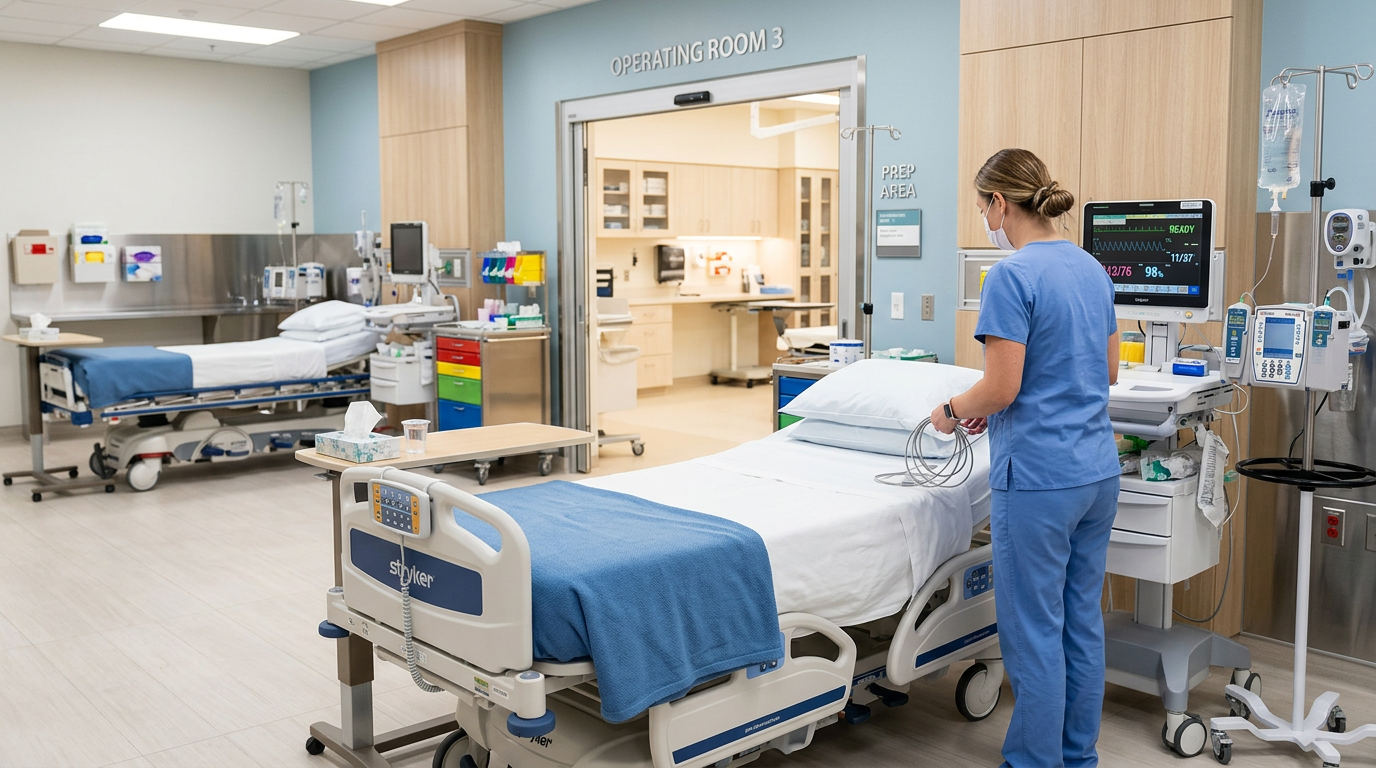
Day of Surgery marks the beginning of your active recovery journey, starting with gentle movement while you're still in the hospital. You'll begin moving in bed with help from nurses who will guide you through safe positioning and transfers. Deep breathing exercises become essential to prevent pneumonia and maintain lung function during this period of reduced activity. Ice therapy starts immediately to reduce swelling and provide natural pain relief around your surgical site. Most importantly, you'll learn proper positioning techniques for your new joint that will protect your investment and promote optimal healing.
Days 1-2 bring significant milestones that mark real progress in your recovery journey. Hip replacement patients typically sit in a chair and walk 10-50 feet with a walker, experiencing the immediate benefit of their new joint. Knee replacement patients work on bending the knee to 60-90 degrees while learning to walk with a walker, building confidence in the stability of their new joint. Shoulder replacement patients begin gentle pendulum exercises that promote circulation and prevent stiffness while protecting the surgical repair.
Days 3-7 focus on building independence and preparing for the transition to home recovery. You'll gradually increase walking distance with a goal of 100-200 feet, building endurance and confidence in your mobility. Stair practice becomes important if needed for home safety, ensuring you can navigate your living space securely. Learning your home exercise program during this time provides the foundation for continued progress after discharge. Most significantly, you'll prepare for discharge home, transitioning from hospital support to taking primary responsibility for your recovery.
Medicare Coverage During Phase 1
Inpatient Services under Medicare Part A provide comprehensive coverage during your hospital stay, which typically lasts 1-3 days for joint replacement surgery. All medical services including physical therapy sessions are covered during your inpatient period, along with all medications administered during your hospital stay and any medical equipment used while you're in the facility.
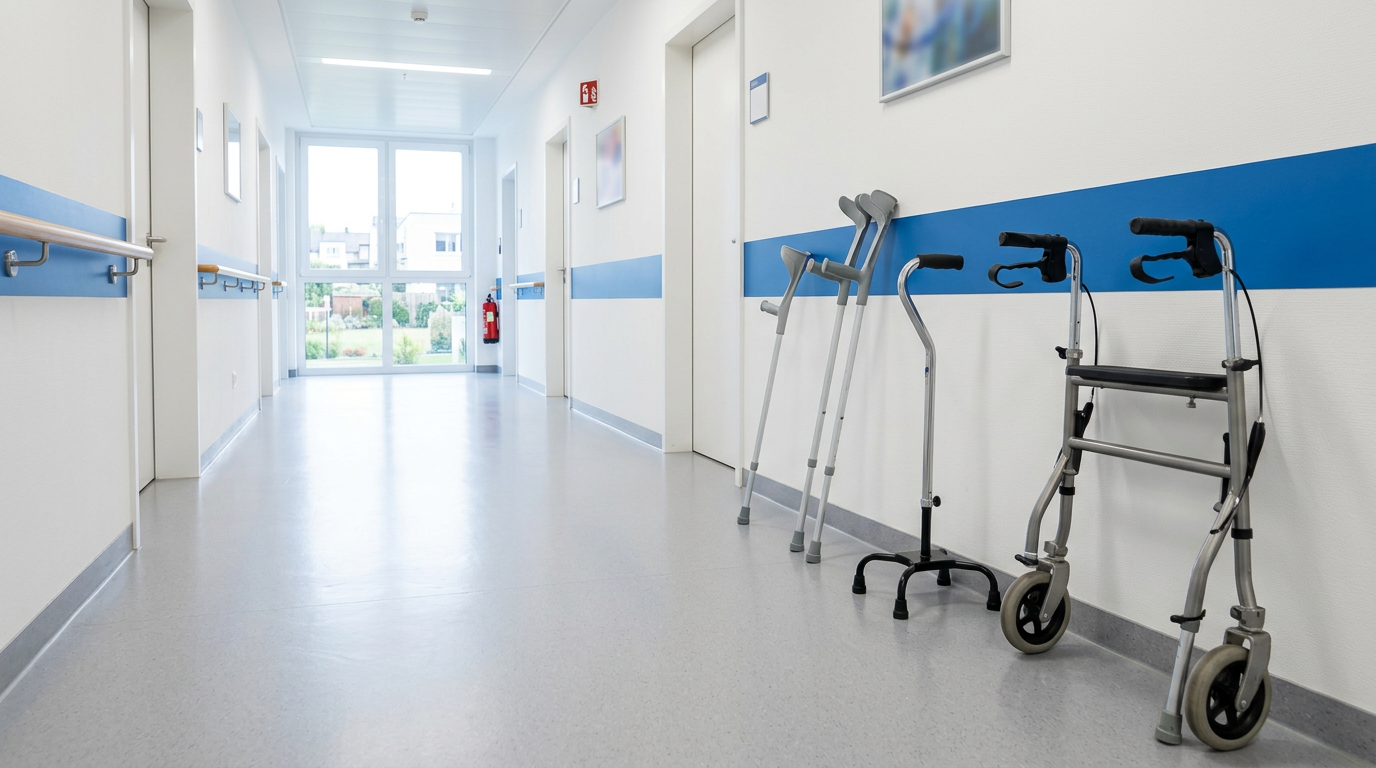
Equipment for Home is covered under Medicare Part B at 80% of the approved amount, helping you transition safely to home recovery. Essential mobility aids like walkers or crutches are covered when prescribed by your physician, along with safety equipment such as raised toilet seats when medically necessary. Shower chairs or benches help you maintain independence during bathing, while reacher and grabber tools allow you to safely retrieve items without bending or stretching beyond your range of motion restrictions.
Phase 2: Early Recovery (Weeks 2-6)
What to Expect
Physical Progress during this phase becomes more noticeable and encouraging as your body adapts to its new joint. You'll experience gradual reduction in pain and swelling as the initial inflammatory response subsides and healing progresses. Increased walking distance and endurance develop week by week, allowing you to tackle longer distances and feel more confident in your mobility. Improved sleep quality emerges as comfort increases and you learn to position yourself properly for rest. Many patients begin weaning off prescription pain medications during this period, transitioning to over-the-counter options as their discomfort becomes more manageable.
Common Challenges during early recovery are normal parts of the healing process that nearly all patients experience. Stiffness, especially in the morning, occurs as joints naturally stiffen during periods of inactivity and typically improves with gentle movement and warm-up exercises. Fatigue from increased activity is expected as your body works hard to heal while you gradually increase your physical demands. Frustration with slower-than-expected progress often peaks during this phase when the initial excitement of surgery completion meets the reality of gradual healing timelines. Sleep disruption from positioning requirements can be challenging but typically improves as you learn comfortable sleeping positions and your surgical site becomes less sensitive.
Week-by-Week Milestones
Week 2:
- Walking: 1/4 mile (about 2-3 city blocks)
- Stairs: Up and down with assistance
- Independence: Basic self-care with adaptive equipment
- Therapy: Begin outpatient physical therapy
Week 4:
- Walking: 1/2 mile without assistive device (for many patients)
- Range of Motion: Near normal for daily activities
- Independence: Light household tasks
- Return to: Driving (check with surgeon first)
Week 6:
- Walking: 1 mile or more
- Strength: Noticeable improvement in affected leg
- Activities: Most daily activities independently
- Medical: First major follow-up appointment
Exercise Progression
Hip Replacement Exercises begin conservatively and build systematically. Weeks 2-3 focus on fundamental movements like ankle pumps to maintain circulation, gluteal sets to activate core muscles, and quad sets to maintain thigh strength without stressing the new joint. Weeks 4-5 advance to straight leg raises and hip abduction exercises that begin building functional strength. By week 6 and beyond, patients typically progress to mini squats and stationary bike riding, marking significant functional improvements.
Knee Replacement Exercises emphasize regaining range of motion while building strength. The initial weeks 2-3 include heel slides to improve bending, quad sets to maintain muscle tone, and straight leg raises to build strength without excessive knee stress. Weeks 4-5 introduce wall slides and mini squats that challenge the knee in functional positions. Week 6 and beyond typically includes step-ups and stationary bike riding, which closely mimic daily activities.
Shoulder Replacement Exercises prioritize protecting the repair while gradually restoring function. Early weeks 2-3 involve gentle pendulum swings and passive range of motion where someone else moves your arm. Weeks 4-5 progress to active-assisted range of motion where you help move your arm with the other arm's assistance. Week 6 and beyond introduces active range of motion and light strengthening exercises as the repair becomes more stable.
Medicare Coverage During Phase 2
Outpatient Physical Therapy (Medicare Part B):
- Up to 3 visits per week typically covered
- 20% coinsurance applies after Part B deductible
- Must use Medicare-participating providers
- May require physician referral
Home Health Services (Medicare Part A or B):
- Skilled nursing visits if homebound
- Physical therapy at home if unable to travel
- Occupational therapy for daily living skills
- Usually $0 copay if Medicare requirements are met
Phase 3: Active Recovery (Weeks 6-12)
What to Expect
Physical Improvements:
- Significant reduction in pain (many patients report 80% improvement)
- Return to most normal activities
- Ability to exercise more vigorously
- Improved confidence in movement
Potential Challenges:
- Occasional setbacks or "bad days"
- Impatience with remaining limitations
- Weather-related stiffness
- Adjustment to "new normal" sensation
Monthly Milestones
Month 2 (Weeks 6-8):
- Activity Level: Return to work for desk jobs
- Exercise: Low-impact activities like swimming, cycling
- Independence: Full independence in daily activities
- Social: Resume social activities and driving
Month 3 (Weeks 9-12):
- Strength: 70-80% of pre-surgery strength
- Endurance: Walk 2+ miles comfortably
- Activities: Light sports like golf, tennis (with surgeon approval)
- Work: Return to physically demanding jobs (with modifications)
Advanced Exercise Program
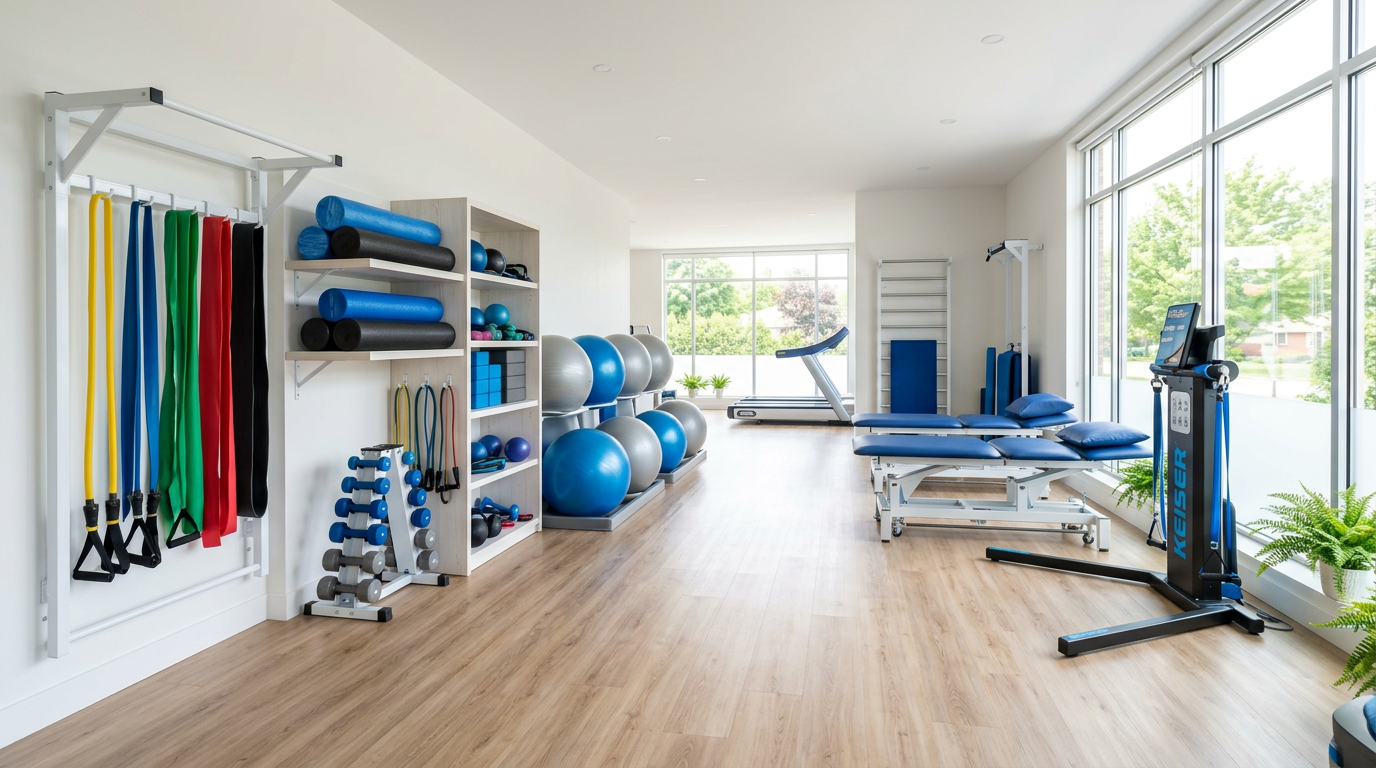
Strength Training becomes a cornerstone of your advanced recovery program. Weight machines with proper form allow progressive resistance training that rebuilds muscle strength safely. Resistance bands provide targeted muscle strengthening with variable resistance that adapts to your range of motion. Balance and stability exercises become crucial for preventing falls and building confidence in movement. Core strengthening supports your entire body and protects your new joint during daily activities.
Cardiovascular Exercise expands significantly during this phase. Walking 3-4 miles regularly becomes achievable for many patients, providing excellent low-impact conditioning. Swimming laps offers full-body exercise without joint stress, making it ideal for ongoing fitness. Stationary or outdoor cycling provides cardiovascular benefits while being gentle on joints. Elliptical machines offer another low-impact option that mimics natural movement patterns.
Functional Activities bridge the gap between exercise and real life. Returning to household chores helps rebuild strength and endurance in meaningful ways. Gardening with proper ergonomic tools provides enjoyable exercise while connecting you with purposeful activity. Light home maintenance tasks help rebuild confidence in your physical capabilities. Recreational activities begin returning joy and normalcy to your daily routine.
Return to Work Guidelines
Desk Jobs: 6-8 weeks Standing Jobs: 8-10 weeks Physical Labor: 10-16 weeks Heavy Lifting (>50 lbs): 3-6 months
Phase 4: Advanced Recovery (Months 3-12)
What to Expect
Physical Optimization:
- 90-95% of final recovery achieved by 6 months
- Continued subtle improvements up to 1 year
- Return to most desired activities
- Establishment of long-term exercise habits
Lifestyle Integration:
- Joint replacement becomes "normal"
- Confidence in all daily activities
- Participation in recreational sports
- Focus shifts to maintaining gains
Long-Term Activity Guidelines
Recommended Activities:
- Walking, hiking
- Swimming, water aerobics
- Cycling, stationary bike
- Golf, bowling
- Dancing (social)
- Yoga, tai chi
Activities to Approach Cautiously:
- Running (discuss with surgeon)
- High-impact sports
- Contact sports
- Activities with fall risk
Maintaining Your Success
Exercise Habits:
- Continue strength training 2-3 times per week
- Maintain cardiovascular fitness
- Practice balance and flexibility
- Listen to your body and adjust accordingly
Lifestyle Factors:
- Maintain healthy weight
- Follow up with surgeon annually
- Report any concerning changes
- Take care of your other joints
Medicare Coverage Throughout Recovery
Physical Therapy Benefits
Traditional Medicare:
- Covers up to $2,110 in outpatient therapy per year (2025)
- After reaching threshold, requires 20% coinsurance
- Must use Medicare-participating providers
- Requires physician certification of medical necessity
Medicare Advantage:
- Often provides enhanced therapy benefits
- May have lower copays ($25-40 per visit)
- Some plans offer extended coverage limits
- May include additional services like massage therapy
Equipment and Supplies
Covered Items (Medicare Part B):
- Canes, walkers, crutches
- Hospital beds (if medically necessary)
- Bathroom safety equipment
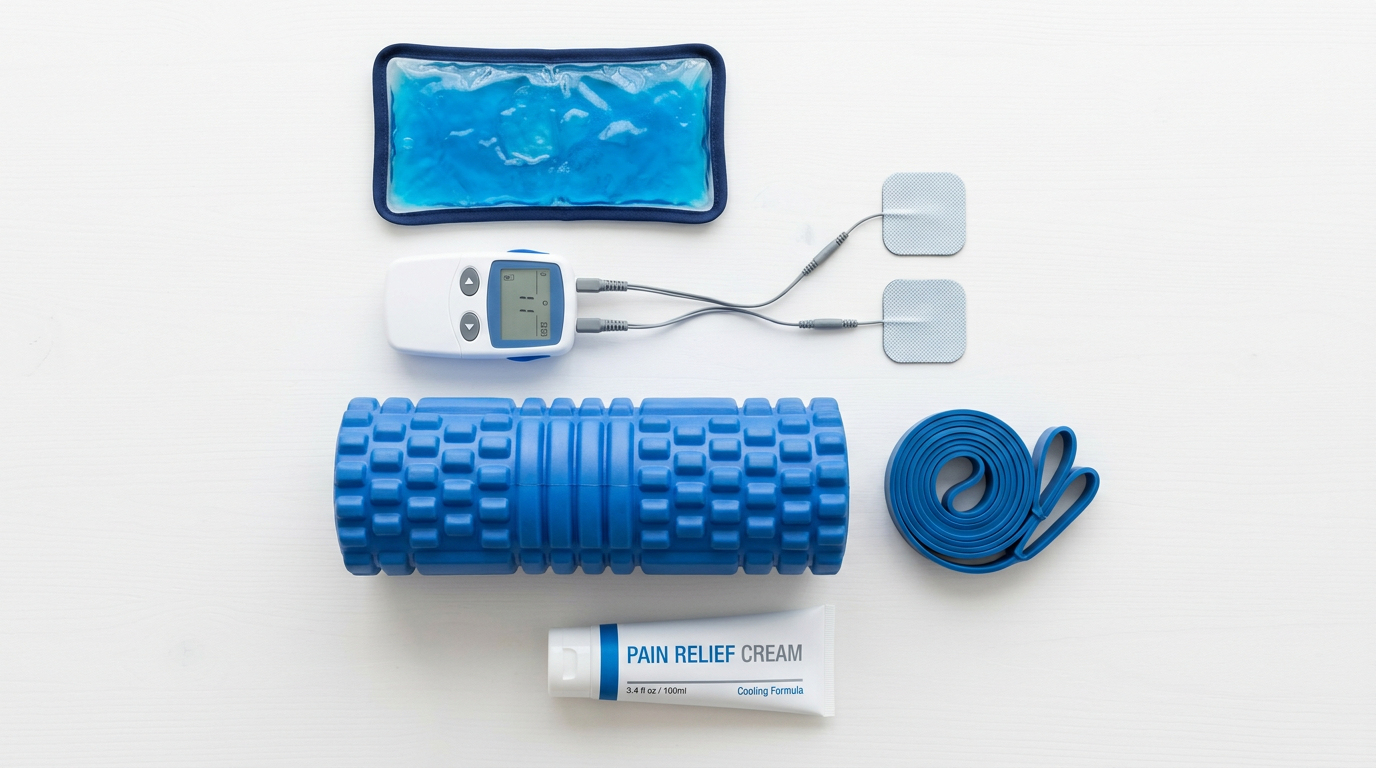
- TENS units for pain management
Not Typically Covered:
- Exercise equipment for home use
- Gym memberships
- Massage therapy (unless part of physical therapy)
- Over-the-counter pain medications
Red Flags: When to Call Your Doctor
Immediate Emergency (Call 911)
- Chest pain or difficulty breathing
- Signs of stroke (face drooping, arm weakness, speech difficulty)
- Severe allergic reaction to medications
- Traumatic fall or accident
Call Your Surgeon Immediately
- Fever over 101°F (38.3°C)
- Increasing redness, warmth, or drainage from incision
- Sudden, severe pain that doesn't respond to medication
- Signs of blood clot (swelling, warmth, redness in leg)
Contact Your Care Team Within 24 Hours
- Pain that's getting worse instead of better
- Inability to bear weight or move as expected
- Concerning changes in incision appearance
- Side effects from medications
Discuss at Next Appointment
- Slower progress than expected
- Persistent stiffness or limited range of motion
- Difficulty with prescribed exercises
- Questions about activity restrictions
Tips for Maximizing Your Recovery
Before Surgery
- Complete prehabilitation program if recommended
- Optimize your health (nutrition, chronic diseases)
- Prepare your home environment
- Build your support network
During Early Recovery
- Follow pain medication schedule consistently
- Do prescribed exercises even when you don't feel like it
- Use ice therapy regularly to reduce swelling
- Get adequate sleep and nutrition
Throughout Recovery
- Set realistic, short-term goals
- Celebrate small victories
- Stay connected with your healthcare team
- Be patient with the process
Long-Term Success
- Maintain regular exercise habits
- Keep follow-up appointments
- Report changes or concerns promptly
- Take care of your other joints
Conclusion
Recovery from joint replacement surgery is a marathon, not a sprint. This roadmap provides the framework for success, but remember that your journey will be unique. Some patients progress faster, others need more time—both are completely normal.
The key to successful rehabilitation is consistency, patience, and communication with your healthcare team. By understanding what to expect at each phase, you can approach your recovery with confidence and realistic expectations.
Your new joint has the potential to provide years of improved mobility and reduced pain. The effort you put into rehabilitation during these crucial months will pay dividends for years to come. Stay committed to the process, trust in your body's ability to heal, and look forward to the improved quality of life that awaits you.
This article is for informational purposes only and should not be considered medical advice. Always consult with qualified healthcare professionals for medical decisions.
Related Articles
Explore these related topics to support your joint replacement journey:
Recovery Product Recommendations
The right equipment makes every phase of your recovery safer and more comfortable. Our procedure-specific guides recommend curated products — cold therapy, mobility aids, bathroom safety equipment, and PT tools — matched to each week of the timeline above.
- Hip Replacement Recovery Guide — ice machines, rollators, raised toilet seats, compression, and more
- Knee Replacement Recovery Guide — cold therapy, walkers, leg elevation pillows, pedal exercisers, ankle weights
- Shoulder Replacement Recovery Guide — cold therapy, wedge pillow, shoulder pulley, reacher tool, heating pad
References
[1] American Academy of Orthopaedic Surgeons. (2024). Joint Replacement Rehabilitation Guidelines. Retrieved from https://www.aaos.org/quality/quality-programs/
[2] Centers for Medicare & Medicaid Services. (2025). Medicare Coverage of Physical Therapy Services. Retrieved from https://www.cms.gov/medicare/coverage/physical-therapy/
[3] Journal of Bone and Joint Surgery. (2024). Recovery Timelines in Joint Replacement Surgery. Retrieved from https://journals.lww.com/jbjsjournal/
[4] American Physical Therapy Association. (2024). Clinical Practice Guidelines for Joint Replacement Rehabilitation. Retrieved from https://www.apta.org/patient-care/evidence-based-practice-resources/
[5] Medicare Payment Advisory Commission. (2025). Rehabilitation Services in Medicare. Retrieved from https://www.medpac.gov/
[6] New England Journal of Medicine. (2024). Optimizing Recovery After Joint Replacement Surgery. Retrieved from https://www.nejm.org/